
 By Admin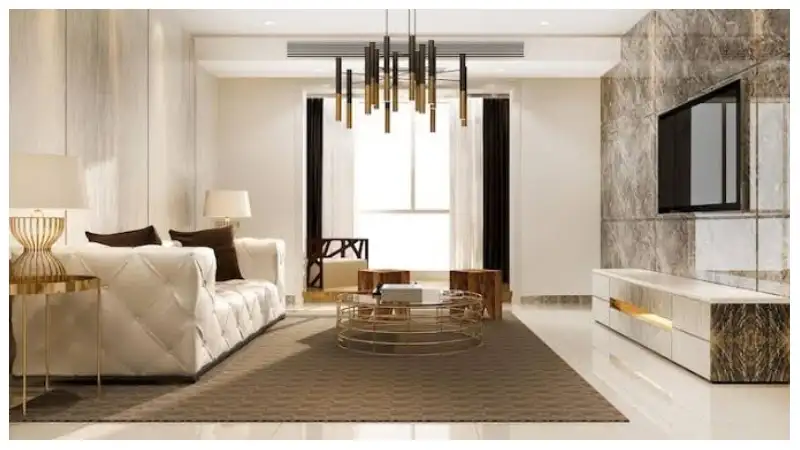
For more information, visit our website.
A beautiful home does not need to look excessive to feel luxurious. The best interiors combine comfort, thoughtful design, quality materials, balanced colours, and carefully selected details. When these elements work together, even a simple room can feel polished and inviting.
A well-planned luxury house interior is less about filling a space with expensive objects and more about creating an atmosphere that feels refined, comfortable, and personal. From lighting and furniture to textures and layout, every choice can influence how a home looks and feels.
Whether you are designing a new property or refreshing an existing room, these practical ideas can help you create an elegant home without making it feel cold or overdone.
What Makes a House Interior Feel Luxurious?
Luxury comes from a combination of visual harmony and everyday comfort. A room can contain expensive furniture and still feel poorly designed if the colours clash, the lighting is harsh, or the layout makes movement difficult.
Instead, focus on a few core principles:
- Choose quality over quantity.
- Keep the colour palette cohesive.
- Use different textures to create depth.
- Invest in comfortable, well-proportioned furniture.
-
Keep clutter under control.
- Add personal details that reflect your taste.
Start With a Refined Colour Palette
Colour can greatly influence the atmosphere and feel of a room. Neutral shades such as warm white, beige, taupe, cream, soft grey, and muted brown create a calm foundation for an elegant interior.
However, luxury does not mean using beige everywhere. You can introduce deeper tones such as navy, charcoal, forest green, or burgundy through cushions, curtains, artwork, or occasional furniture.
For example, imagine a living room with warm cream walls, a beige sofa, natural wood furniture, and dark green cushions. The neutral background keeps the room calm, while the darker accents give it personality.
A useful approach is to select one main colour, one supporting shade, and one or two accent colours. This creates consistency without making the room look repetitive.
Invest in Quality Furniture
Furniture often has the greatest impact on how a room feels. Instead of buying many decorative pieces, choose a few well-made items with strong proportions.
A large sofa can become the focal point of a living room. Pair it with a substantial coffee table, comfortable armchairs, and a properly sized rug. The furniture should leave enough space for people to walk naturally through the room.
Pay particular attention to scale. Oversized furniture can make a small room feel cramped, while tiny pieces may look lost in a large space.
In a luxury house interior, comfort should receive just as much attention as appearance. A beautiful chair that nobody wants to sit in does little for the everyday experience of the home.
Use Materials That Add Texture
Texture gives an interior depth and prevents neutral rooms from feeling flat.
Consider combining materials such as:
- Natural wood
- Marble or stone
- Linen
- Wool
- Velvet
- Brushed metal
- Glass
- Leather
- Ceramic
You don’t have to include all of these materials in a single room. Two or three contrasting textures can create enough visual interest.
For instance, a soft linen sofa can work beautifully with a wooden coffee table, a wool rug, and a stone side table. The materials feel different to the touch, which makes the room more interesting without relying on excessive decoration.
Create a Thoughtful Lighting Plan
Instead of depending on a single ceiling light, combine different types of lighting. General lighting provides overall illumination, while task lighting supports activities such as reading or cooking. Accent lighting can highlight artwork, architectural features, shelves, or decorative objects.
Pendant lights can add character above a dining table or kitchen island.
Whenever possible, use dimmable lighting so you can change the atmosphere throughout the day. Bright illumination may work well for cleaning or working, while softer light creates a more relaxed evening setting.
Turn the Living Room Into the Heart of Your Home
The living room often sets the tone for the entire property. A sophisticated design starts with a practical seating arrangement rather than decoration.
Position sofas and chairs so people can comfortably talk to one another. A rug can help define the seating area and make the room feel more connected.
Then introduce a few carefully chosen accessories. A large piece of artwork, sculptural lamp, elegant mirror, or distinctive coffee table can provide a focal point.
Avoid covering every surface with ornaments. A small collection of meaningful objects often looks more sophisticated than a crowded display.
Create a Kitchen That Blends Style With Functionality.
A stylish kitchen should also be easy to use. Beautiful finishes mean little if storage is poor or the working areas feel awkward.
Consider handleless cabinetry, natural stone or high-quality stone-effect surfaces, integrated appliances, and warm lighting for a contemporary appearance. Wooden elements can soften an otherwise sleek kitchen.
Open shelving can display attractive ceramics or glassware, but use it selectively. Too many visible items can quickly make the kitchen look untidy.
A large island can become both a practical preparation area and a social gathering point. If space allows, comfortable seating around the island can make the kitchen feel more welcoming.
Bring Elegance Into the Bedroom
A luxurious bedroom should feel restful rather than theatrical. Begin with a comfortable bed and premium-quality bedding. Then build the room around soft textures and calming colours.
Layering is particularly effective. Combine a duvet, blanket, cushions, curtains, and a rug in complementary shades. This creates warmth and makes the room feel more complete.
Bedside lighting also matters. Instead of relying entirely on overhead lighting, use bedside lamps or wall-mounted fixtures for a softer evening atmosphere.
Keep technology and unnecessary objects under control. A clear bedside table and uncluttered surfaces can make the room feel calmer.
Add Statement Features Carefully
A statement feature gives a room personality, but too many competing focal points can weaken the design.
You might choose a dramatic staircase, fireplace, oversized artwork, sculptural chandelier, feature wall, or distinctive piece of furniture.
The key is restraint. If the room already has a striking fireplace, for example, you may not need a large patterned wall and an oversized chandelier competing for attention.
Think of statement pieces as visual anchors. Let them stand out by giving them enough surrounding space.
Use Mirrors and Artwork Strategically
Mirrors can make a room feel brighter and visually larger, particularly when positioned to reflect natural light. Large mirrors can also become decorative features in their own right.
Artwork provides another opportunity to personalise the home. Rather than choosing pieces simply because they appear expensive, select work that connects with your personality and the room’s colour scheme.
A single large artwork can often have more impact than several small pieces scattered across a wall.
Keep Clutter Under Control
One of the simplest ways to make a home feel more sophisticated is to improve storage.
Built-in wardrobes, concealed cabinets, storage benches, and multifunctional furniture can help keep everyday objects out of sight.
This does not mean creating a home that feels empty. Personal possessions add warmth and character. The difference lies in presentation.
Display books, photographs, ceramics, plants, and other meaningful objects intentionally. Leave some empty space around them so each item can be appreciated.
Add Natural Elements
Plants, flowers, wood, stone, and natural fabrics can soften an elegant interior. They also prevent a carefully designed room from feeling overly formal.
A large indoor plant can fill an empty corner, while fresh flowers can add colour to a dining table or entrance hall. Natural wood can introduce warmth into rooms dominated by stone, glass, or metal.
These details are relatively simple, but they can make a substantial difference to the overall atmosphere.
Don’t Forget the Entryway
The entrance creates the first impression of your home. Keep it practical but polished.
A console table, mirror, tasteful lighting, and a small decorative arrangement can create an attractive focal point. At the same time, provide enough storage for shoes, bags, and everyday items.
A cluttered entrance can undermine an otherwise beautiful interior, so functionality matters here as much as appearance.
How to Create Luxury Without Overspending
You do not need to renovate your entire house to achieve an elegant look. Prioritise the areas that have the greatest visual impact.
Start with lighting, paint, curtains, rugs, and furniture arrangement. These changes can transform a room without requiring major structural work.
If your budget allows larger investments, spend more on pieces that receive frequent use, such as sofas, beds, dining chairs, and kitchen fittings. For decorative accessories, affordable pieces can work perfectly when you choose them carefully.
The most convincing luxury house interior usually comes from thoughtful decisions rather than simply spending more money.
Final Thoughts
Creating an elegant home is ultimately about balance. Quality materials, comfortable furniture, layered lighting, restrained decoration, and a cohesive colour palette can work together to create a sophisticated atmosphere.
Most importantly, luxury should support the way you live. Your home should be comfortable enough for everyday life while still feeling special when guests arrive.
A successful luxury house interior does not try too hard to impress. Instead, it feels considered, welcoming, functional, and distinctly yours. Start with the fundamentals, make deliberate choices, and allow the design to develop naturally over time.