
 By Admin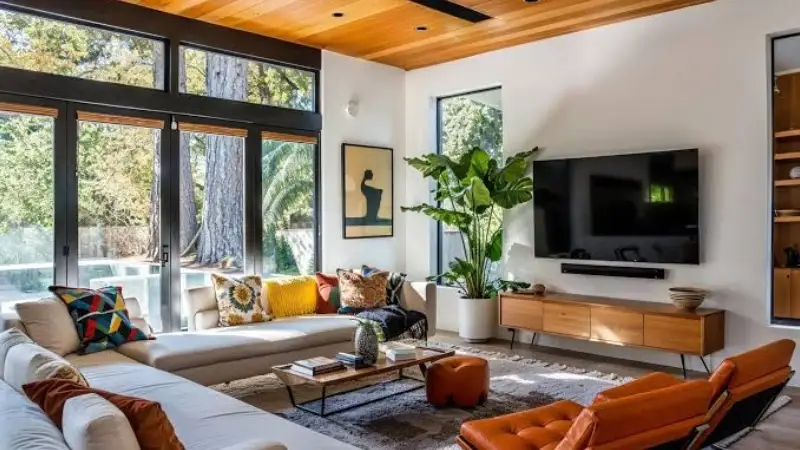
Your home does not need a complete renovation to feel newer, more comfortable and more useful. Often, a few well-planned changes can make a bigger difference than an expensive makeover. The key is to focus on improvements that solve everyday problems while also making your rooms look and feel better.
This guide explores 10 smart interior home improvements that can refresh your living space without turning your home into a permanent building site. Whether you want better storage, improved comfort or a more modern appearance, these ideas offer practical ways to get more from your existing space.
If you are researching interior home improvements mintpalment, start by thinking about how your home works for you now. The best upgrades usually combine appearance, comfort, durability and sensible maintenance.
1. Refresh Your Walls With a Thoughtful Colour Scheme
One of the simplest ways to change a room is to update its walls. Paint can make a small space feel brighter, give a large room more character or create a calm atmosphere in a bedroom.
Before choosing a colour, consider the amount of natural light the room receives. Pale shades can help reflect light, while deeper colours can add warmth and definition.
You do not necessarily need to repaint every wall. An accent wall behind a bed, sofa or dining table can create a focal point with less work and expense.
Choose durable, washable paint in busy areas such as hallways, kitchens and family rooms. This small decision can make future cleaning and maintenance much easier.
2. Upgrade Your Lighting
Good lighting affects how a room looks and how comfortable it feels. A single ceiling fixture often cannot provide the right light for every activity.
Consider using three layers of lighting:
- Ambient lighting for general illumination
- Task lighting for activities such as reading or cooking
- Accent lighting to highlight artwork, shelving or architectural features
For example, a living room could combine ceiling lighting with a floor lamp beside an armchair and a small table lamp near the sofa.
LED bulbs are also a practical choice because they generally use less electricity and last longer than traditional incandescent bulbs. Look for the appropriate colour temperature for each room rather than choosing every bulb based only on brightness.
3. Improve Storage Without Losing Floor Space
Clutter can make even a well-designed home feel smaller. Smart storage is therefore one of the most useful interior home improvements you can make.
Instead of simply adding more furniture, look for unused areas. Wall-mounted shelves, built-in cupboards, storage benches and under-bed containers can provide useful space without taking over the room.
In a hallway, for instance, a narrow cabinet can hide shoes and everyday items. In a bedroom, fitted wardrobes can make better use of awkward corners than freestanding furniture.
The goal is not to hide everything. It is to give frequently used items a logical home so that keeping the room tidy becomes easier.
4. Modernise Your Interior Doors and Hardware
Doors are easy to overlook, but they appear throughout your home. Replacing outdated handles, hinges, and other hardware can give doors a cleaner appearance without replacing the entire door.
If your doors are structurally sound, a fresh coat of paint and new handles may be enough.
Think about consistency, too. Matching or complementary hardware throughout the home can create a more coordinated appearance. Matte, brushed or polished finishes can each create a different design effect, so choose one that works with your existing décor.
These relatively small upgrades are particularly useful when you want visible improvement without major construction.
5. Make Your Flooring Work Harder
Flooring has a major effect on the character of a room. If replacing it is outside your budget, you can still improve its appearance and performance.
Deep-clean carpets, repair damaged sections where possible and use suitable rugs to define areas in open-plan rooms. A well-positioned rug can make a seating area feel more intentional while adding warmth underfoot.
If you are replacing flooring, consider how much wear the room receives. A beautiful but delicate material may not be the best choice for a busy hallway or family room.
Durability should always be part of the design decision. A floor that continues to look good after years of normal use offers better long-term value than one chosen purely for appearance.
6. Improve Kitchen Functionality
You do not always need a new kitchen to make cooking easier. Small changes can improve the way the room functions.
Start by examining the areas you use most. Pull-out organisers, drawer dividers, better cupboard storage and wall-mounted rails can make frequently used items easier to reach.
Lighting beneath wall cabinets can also improve visibility on worktops. If you replace taps, handles or other fixtures, choose durable products that suit the existing kitchen rather than following a short-lived trend.
For homeowners considering interior home improvements mintpalment, the kitchen is a good example of why maintenance and improvement should work together. Fixing a worn seal, repairing a dripping tap, or addressing damaged surfaces can prevent small problems from becoming expensive repairs.
7. Create a More Comfortable Living Room
A living room should work for real life, not just look good in photographs.
Start with furniture placement. Leave enough space for people to walk comfortably between major pieces, and avoid pushing every item against the walls simply because the room feels larger that way.
Layering textures can also make the space feel more inviting. Combine cushions, throws, curtains and rugs rather than relying on one decorative element.
If the room serves several purposes, consider flexible furniture such as an ottoman with storage or a compact side table that can move when needed.
8. Upgrade Your Bathroom Details
Bathroom improvements do not always require a complete refit. Replacing tired accessories can quickly improve the appearance of the space.
Consider a new mirror, towel rails, lighting, cabinet handles or shower fittings. Re-sealing areas around baths, showers and sinks can also help protect against water getting where it should not.
Ventilation deserves attention as well. Good ventilation helps control moisture and condensation, which can reduce the conditions that encourage mould growth.
When carrying out bathroom work, always use products suitable for wet environments and follow the manufacturer’s installation instructions.
9. Improve Energy Efficiency
Some of the most valuable interior home improvements are the ones you notice through everyday comfort rather than decoration.
Draught-proofing suitable doors and windows, improving insulation where appropriate, and choosing efficient lighting can help reduce unnecessary energy use. Curtains and blinds can also influence comfort by helping manage sunlight and heat.
Before spending money on upgrades, identify where your home loses or wastes energy. An energy assessment can help you prioritise improvements rather than guessing which change will provide the greatest benefit.
Avoid assuming that every expensive upgrade automatically pays for itself. Compare the upfront cost, expected lifespan, maintenance requirements and potential energy savings before making a decision.
10. Build Maintenance Into Every Improvement
A smart renovation should be easy to look after. This is where interior home improvements mintpalment becomes particularly relevant: improving a home and maintaining it should be treated as connected tasks.
Choose finishes that suit the way you actually live. If you have children or pets, for example, easy-clean surfaces may be more practical than delicate materials.
Create a simple routine for checking paintwork, seals, flooring, fixtures, ventilation and storage areas. Dealing with minor wear early can help prevent bigger problems later.
Maintenance also protects the money you have already invested. There is little benefit in installing a beautiful new bathroom if leaks, poor ventilation or damaged seals are ignored.
How to Prioritise Your Home Improvements
If you have several projects in mind, do not start with the most attractive idea. Start with the problem that affects your everyday life the most.
A useful order is:
- Safety and essential repairs
- Problems that could cause further damage
- Energy and comfort improvements
- Storage and functionality
- Cosmetic upgrades
For example, fixing a leaking pipe should come before buying new decorative lighting. Likewise, improving poor ventilation may be more valuable than repainting a room with moisture problems.
This approach makes interior home improvements mintpalment more practical because your budget goes towards improvements that have a real purpose.
Final Thoughts
The best home improvements are not necessarily the biggest or most expensive. A better lighting plan, improved storage, fresh paint, practical flooring, or a more functional kitchen can transform how your home feels every day.
Before beginning a project, consider how you use the space, what problem you want to solve, and how much maintenance the finished improvement will require. Taking that practical approach can help you create a home that looks better while remaining comfortable, efficient and easy to live in.
For anyone planning interior home improvements mintpalment, the most important lesson is simple: improve with purpose. Choose upgrades that fit your lifestyle, maintain them properly, and invest where the change will make a meaningful difference. For more information, visit our website.