
 By Admin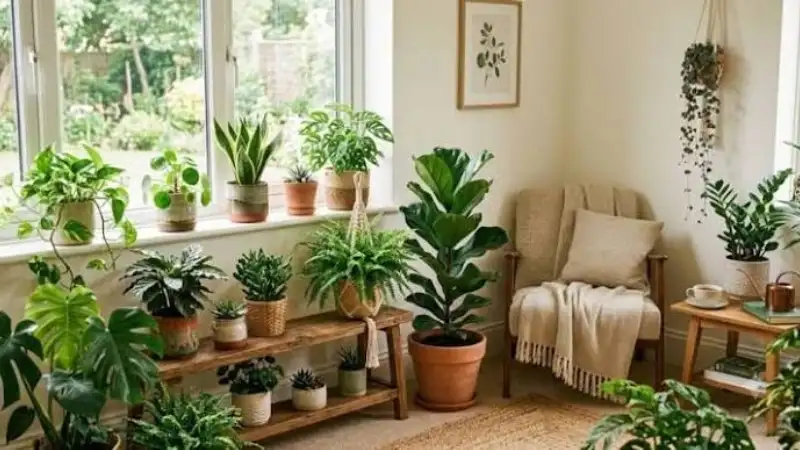
A comfortable home does not need to look like a showroom. The best spaces usually combine practical choices with personal touches. When a room is easy to use, well organised, and filled with things you genuinely like, it naturally feels more inviting.
That idea sits at the heart of blog home ideas thehometrotters. TheHomeTrotters covers home improvement, interior design, decor, and practical ways to make everyday spaces work better. Its current home content includes subjects such as renovation planning, bathroom upgrades, flooring, and other practical home improvements.
Whether you live in a small apartment, a family house, or a rented property, you can apply the same basic principle: improve your home one useful change at a time.
Start With How You Use Your Home
Before buying furniture or choosing paint, look at how you actually use each room.
A living room may need to support relaxing, watching television, reading, working, and entertaining guests. A bedroom should feel calm and comfortable. A kitchen needs enough storage and clear work areas.
This simple assessment can prevent expensive mistakes.
For example, buying a large sofa may look attractive online, but it can make a small living room difficult to move around. Instead, measure the available space first. You can even use masking tape on the floor to mark the proposed furniture footprint. Walk around it before making a purchase.
This practical approach makes blog home ideas thehometrotters useful beyond simple decoration. Good design should solve a problem as well as improve appearance.
Declutter Before You Decorate
One of the easiest ways to improve a home costs nothing.
Look around each room and remove items that you no longer use, need, or enjoy. You do not have to throw everything away. Some belongings can be donated, recycled, stored properly, or moved to a room where they make more sense.
Start with one small area, such as a coffee table, kitchen counter, wardrobe shelf, or bathroom cabinet.
Once unnecessary items disappear, you may discover that you do not need additional storage or furniture after all.
A useful rule is to create three groups:
- Keep and use regularly
- Store because it has a purpose
- Donate, recycle, or remove
Decluttering also makes later decorating decisions easier because you can see the actual space rather than decorating around piles of objects.
Make the Living Room More Comfortable
The living room often becomes the social centre of a home, so comfort should come before decoration.
Start by arranging seating around conversation rather than simply pushing every piece of furniture against a wall. Make sure people can walk through the room without squeezing between tables and chairs.
Then add layers.
A rug can define a seating area. Cushions can introduce colour. A throw can add softness. Artwork or photographs can give the room personality.
You do not need to purchase everything at once. In fact, buying slowly can produce a more natural result.
For example, keep a neutral sofa and add colour through removable cushions or a rug. If your taste changes later, you can update those smaller pieces without replacing expensive furniture.
Use Lighting to Change the Mood
Lighting is one of the most overlooked parts of home design.
A room with only one bright ceiling fixture can feel harsh in the evening. Instead, consider using several light sources at different heights.
A simple combination might include:
- Ceiling lighting for general illumination
- A floor or table lamp for softer light
- Task lighting for reading, cooking, or working
- Small accent lights for shelves or artwork
You should also match the light to the activity. A desk needs useful task lighting, while a bedroom or lounge may benefit from softer illumination.
Natural light matters too. Keep windows reasonably clear and avoid placing bulky furniture where it blocks daylight.
These small changes are a recurring theme in blog home ideas thehometrotters: a home can feel significantly different without major construction work.
Choose Colours With a Plan
Colour can transform a room, but choosing too many shades at once can make a space feel disconnected.
A simple starting point is to choose one main colour, one supporting colour, and a small accent shade.
For instance, imagine a bedroom with warm white walls, natural wood furniture, and muted green accessories. The palette feels connected without requiring every item to match.
Before painting an entire room, test your chosen colour on the actual wall. Lighting, room size, flooring, and nearby furniture can change how a colour appears.
Remember that trends come and go. A fashionable colour can be fun, but large and expensive purchases are often better in flexible shades. You can then introduce stronger trends through artwork, cushions, curtains, or smaller accessories.
Bring Natural Elements Indoors
Natural materials can add warmth and texture to a room.
Wood, woven baskets, cotton, linen, stone, and indoor plants are simple options. You do not need to turn your home into a jungle or follow a strict design style.
Try one or two changes first.
A wooden tray on a coffee table, a woven basket beside a sofa, or a small plant on a shelf can make a plain space feel more finished.
For beginners, choose plants that match the conditions in your home. Consider available light, temperature, and how often you can realistically water them. The right plant is one you can care for, not simply one that looks attractive in a photograph.
Make Small Rooms Work Harder
Small spaces require careful planning rather than less style.
Choose furniture that serves more than one purpose when possible. An ottoman can provide seating and storage. A foldable table can become a workspace when needed. Wall shelves can provide storage without taking up valuable floor area.
Mirrors can also help reflect light and create a greater sense of openness, although they cannot physically make a room larger.
Keep pathways clear and avoid filling every empty corner. Empty space is useful. It allows furniture and decorative pieces to stand out.
One of the strongest principles behind blog home ideas thehometrotters is to make design work with the space you have instead of constantly wishing the room were bigger.
Add Personality Through Meaningful Details
A stylish home should still feel like someone’s home.
Use photographs, artwork, books, travel memories, handmade objects, or other pieces that mean something to you. These details often create more character than expensive decorative items.
For example, a collection of postcards from places you have visited can become wall art. A favourite photograph can sit inside a simple frame. A handmade bowl can become the centrepiece of a dining table.
The goal is not perfection. It is connection.
When every item comes from the same catalogue, a room can feel impersonal. Mixing old and new pieces often creates a more lived-in atmosphere.
Improve Storage Without Losing Style
Good storage can make a decorated room look better because it reduces visual clutter.
Use baskets for blankets, boxes for smaller items, and drawers for belongings that do not need to remain visible. Open shelving works well for attractive objects, books, and frequently used items, but it should not become an excuse to display everything.
In the kitchen, keep frequently used equipment within easy reach. Store less-used items in cabinets or higher shelves.
In bedrooms, use under-bed storage where appropriate. In entryways, create a dedicated place for shoes, keys, bags, and coats.
A beautiful room becomes much easier to maintain when everything has a home.
Refresh Your Home Without a Full Renovation
You do not need to renovate the entire house to create a noticeable improvement.
Try completing one small project at a time:
- Rearrange the living room.
- Remove unnecessary clutter.
- Improve one poorly lit corner.
- Add a plant or natural texture.
- Replace tired cushions or curtains.
- Create a simple storage solution.
- Add artwork to an empty wall.
- Repair something that has been bothering you.
This approach also helps control your budget. Instead of making several rushed purchases, you can observe what the room actually needs after each change.
Current TheHomeTrotters content reflects this practical side of home improvement, including guidance on planning renovations without wasting money.
Create a Home That Fits Your Lifestyle
The best blog home ideas thehometrotters are not about copying someone else’s house. They are about taking useful principles and adapting them to your own space.
If you work from home, prioritise a comfortable workspace. If you have children, choose durable and easy-to-clean materials. If you enjoy entertaining, focus on seating and movement. If you prefer quiet evenings, create comfortable reading or relaxing areas.
Your home should support the way you live today.
It is also worth remembering that good design does not always require a large budget. Rearranging furniture, reducing clutter, improving lighting, and using existing belongings creatively can produce meaningful changes before you spend any money.
Final Thoughts
Creating a better home is usually a process rather than a single project. Start with function, remove what you do not need, and then build your style through colour, lighting, texture, storage, and personal details.
The most useful blog home ideas thehometrotters approach is simple: make practical improvements first and decorate with intention. You do not need to follow every trend or complete a costly renovation.
Choose one room, identify its biggest problem, and make one thoughtful change. Once that improvement works, move to the next. Over time, small decisions can turn an ordinary space into a home that feels comfortable, useful, and genuinely yours. For more information, visit our website.