
 By Admin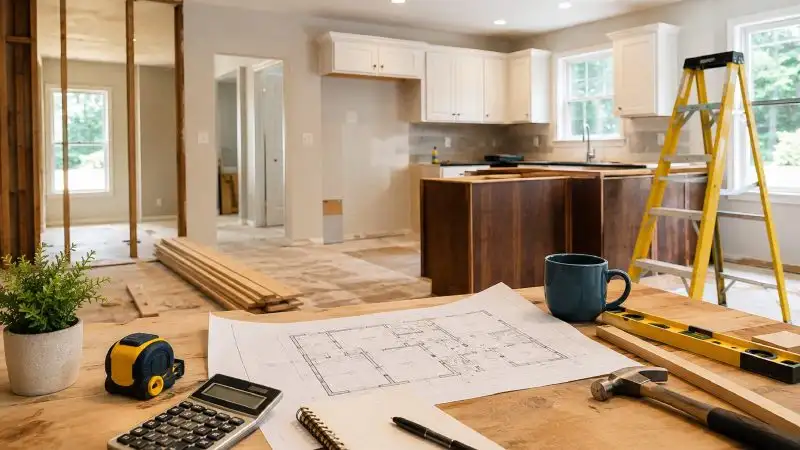
Home renovation can transform the way you live, increase your property’s value, and make your home more functional. However, many homeowners rush into remodeling projects without a clear plan, resulting in budget overruns, delays, and unnecessary stress. If you’re searching for how to start home renovations homenumental, you’re likely looking for a practical roadmap that helps you renovate with confidence.
This comprehensive guide explains every stage of the renovation process—from setting goals and creating a budget to hiring professionals and avoiding common mistakes. Whether you’re updating a single room or planning a whole-house remodel, these expert-backed tips will help you make smarter decisions.
Why Planning Matters Before Starting Home Renovations
The biggest mistake first-time renovators make is jumping straight into demolition without proper planning.
According to industry reports from the National Association of Home Builders (NAHB) and Remodeling Magazine, careful planning significantly reduces project delays and unexpected expenses. Homeowners who define their renovation goals before starting typically experience smoother projects and better financial outcomes.
Before buying materials or hiring a contractor, take time to evaluate your renovation goals and priorities.
- Why are you renovating?
- Which areas need improvement first?
- Is this renovation for comfort, resale value, or both?
- What is your maximum budget?
Answering these questions creates a strong foundation for every decision that follows.
Define Your Renovation Goals
Every successful renovation begins with a clear objective.
For example:
- Improve functionality for a growing family
- Increase home value before selling
- Modernize outdated interiors
- Improve energy efficiency
- Create additional living space
Avoid renovating simply because something looks trendy. Focus on improvements that genuinely enhance your daily lifestyle.
Assess Your Home’s Current Condition
Before making cosmetic upgrades, inspect your home’s essential systems.
Pay attention to:
- Roofing
- Plumbing
- Electrical wiring
- HVAC system
- Foundation
- Windows and insulation
Ignoring structural or mechanical issues often leads to expensive repairs later.
If you’re unsure about your home’s condition, consider hiring a licensed home inspector before beginning renovations.
Create a Realistic Budget
Before buying materials or hiring a contractor, take time to evaluate your renovation goals and priorities.
Your renovation budget should include:
| Expense | Estimated Share |
|---|---|
| Labor | 30–40% |
| Materials | 35–45% |
| Permits | 2–5% |
| Design Fees | 5–10% |
| Emergency Fund | 10–20% |
Experts recommend setting aside at least 15–20% for unexpected expenses.
For example, removing old flooring may reveal water damage that wasn’t visible before demolition.
Having a contingency fund prevents these surprises from disrupting your project.
Prioritize Renovation Projects
Instead of renovating everything simultaneously, rank projects by importance.
A practical order includes:
- Structural repairs
- Roof replacement
- Plumbing
- Electrical upgrades
- HVAC improvements
- Insulation
- Drywall
- Flooring
- Painting
- Interior decoration
Completing work in the correct sequence saves both time and money.
Decide Between DIY and Hiring Professionals
Not every renovation requires professional contractors.
DIY projects often include:
- Painting
- Installing shelves
- Landscaping
- Replacing cabinet hardware
- Minor decorating
Professional help is usually necessary for:
- Electrical work
- Plumbing
- Structural changes
- Roofing
- Foundation repairs
- Gas lines
Attempting complex work without experience can create safety hazards and increase repair costs.
Research Contractors Carefully
Choosing the right contractor has a major impact on project success.
Before signing a contract:
- Verify licenses
- Check insurance
- Read online reviews
- Request references
- Compare multiple estimates
- Review previous projects
Avoid selecting the cheapest quote without understanding what’s included.
A clear written estimate helps protect both the homeowner and the contractor throughout the project.
Create a Renovation Timeline
Every renovation should have realistic milestones.
Example timeline:
Week 1–2
Planning and design
Week 3–4
Permits and contractor scheduling
Week 5–8
Demolition and structural work
Week 9–12
Electrical and plumbing
Week 13–16
Walls, flooring, and painting
Week 17–20
Finishing touches and inspections
Larger projects naturally require additional time.
Understand Local Building Permits
Many homeowners overlook permits until work has already begun.
Permits may be required for:
- Room additions
- Electrical upgrades
- Plumbing changes
- Structural modifications
- Deck construction
- Roofing replacement
Skipping permits can result in fines, failed inspections, and problems when selling your home.
Always verify local building requirements before construction begins.
Choose Quality Materials
Higher-quality materials often cost more initially but deliver better long-term value.
Examples include:
- Solid wood cabinets
- Luxury vinyl plank flooring
- Quartz countertops
- Energy-efficient windows
- Low-VOC paint
- Durable roofing materials
Cheap materials frequently require earlier replacement, increasing lifetime costs.
Focus on High-ROI Renovations
If increasing resale value is important, prioritize projects with strong returns.
According to Remodeling Magazine’s annual Cost vs. Value Report, renovations that often provide solid returns include:
- Garage door replacement
- Entry door upgrades
- Minor kitchen remodels
- Bathroom improvements
- Exterior siding replacement
- Window upgrades
These upgrades enhance your home’s functionality while boosting its curb appeal.
Improve Energy Efficiency
Modern renovations should also lower monthly utility bills.
Consider installing:
- LED lighting
- Smart thermostats
- Energy Star appliances
- Better insulation
- Double-pane windows
- Water-saving fixtures
The U.S. Department of Energy notes that improved insulation and air sealing can significantly reduce heating and cooling costs in many homes.
Energy-efficient improvements continue delivering savings long after renovation ends.
Avoid Common Renovation Mistakes
Many costly renovation problems are completely avoidable.
Common mistakes include:
Starting Without a Plan
Changing designs midway increases expenses.
Ignoring Hidden Costs
Unexpected repairs happen in almost every renovation.
Buying Materials Too Early
Storage issues and product damage may occur.
Following Every Trend
Timeless designs generally age better than short-lived trends.
Hiring Without Research
Choosing inexperienced contractors often leads to poor workmanship.
Room-by-Room Renovation Strategy
If your budget is limited, renovate one area at a time.
Kitchen
Focus on storage, lighting, cabinets, and countertops.
Bathroom
Upgrade fixtures, ventilation, waterproofing, and flooring.
Living Room
Improve lighting, paint, flooring, and furniture layout.
Bedrooms
Add better storage, insulation, and modern lighting.
Exterior
Improve landscaping, siding, roofing, and entryways.
This phased approach reduces financial pressure while keeping your home livable.
Track Every Expense
Successful renovators monitor spending throughout the project.
Maintain a spreadsheet that records:
- Contractor payments
- Material purchases
- Permit fees
- Delivery charges
- Unexpected repairs
Tracking expenses helps prevent budget overruns.
Final Inspection Checklist
Before considering the renovation complete, verify:
- All permits are closed.
- Electrical systems function properly.
- Plumbing has no leaks.
- Paint finishes are clean.
- Flooring is level.
- Doors and windows operate correctly.
- Appliances work properly.
- Contractors have completed every agreed task.
Document everything before making final payments.
Expert Tips for First-Time Home Renovators
Experienced homeowners often recommend:
- Start with one room before tackling the entire house.
- Always keep a contingency fund.
- Invest in quality craftsmanship.
- Communicate regularly with contractors.
- Take progress photos throughout the project.
- Keep all receipts and warranties.
- Never rush major design decisions.
These habits make renovations significantly less stressful.
Conclusion
Learning how to start home renovations homenumental is about much more than choosing paint colors or buying new flooring. Successful renovations begin with careful planning, realistic budgeting, thorough research, and informed decision-making.
By inspecting your home’s condition, prioritizing essential improvements, hiring qualified professionals when necessary, and investing in durable materials, you can avoid common mistakes while creating a home that better fits your lifestyle. Whether your goal is improving comfort, increasing energy efficiency, or boosting resale value, following a structured renovation plan gives you the best chance of achieving lasting results.
For more information, visit our website.