 By Admin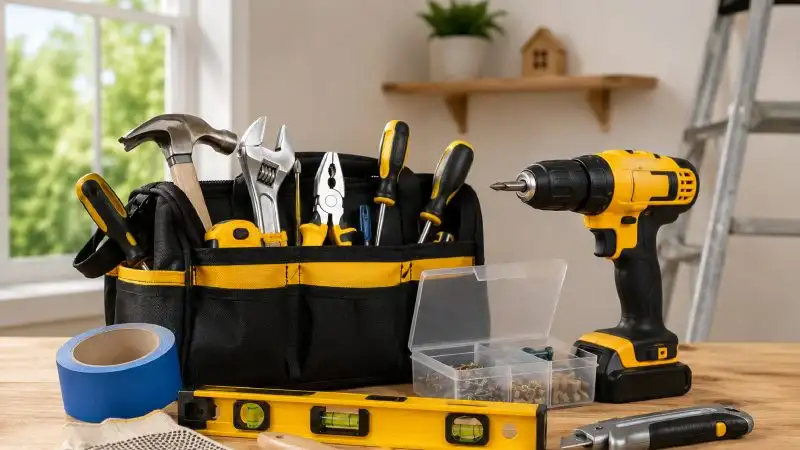
Owning a home is rewarding, but it also comes with ongoing responsibilities. Regular maintenance not only keeps your property looking its best but also helps prevent expensive repairs in the future. If you’ve been searching for thehometrotters homerepairs, you’re likely looking for reliable, practical advice that helps you care for your home without unnecessary costs.
This comprehensive guide explains the fundamentals of home maintenance, the most common DIY repairs, essential tools, safety tips, and when it’s best to hire a professional. Whether you’re a first-time homeowner or an experienced DIY enthusiast, these proven strategies will help you keep your home safe, efficient, and valuable.
What Is TheHomeTrotters HomeRepairs?
TheHomeTrotters HomeRepairs refers to practical home repair and maintenance techniques designed to help homeowners solve everyday household issues while preventing long-term damage. Instead of waiting for problems to occur, homeowners should prioritize regular inspections, preventive maintenance, and easy DIY repairs.
Good home maintenance improves:
- Property value
- Energy efficiency
- Home safety
- Indoor comfort
- Lifespan of household systems and appliances
The U.S. Department of Energy reports that proper maintenance of HVAC systems and home insulation can significantly improve energy efficiency while lowering utility costs over time.
Why Regular Home Maintenance Matters
Many homeowners only repair problems after they become serious. Unfortunately, this approach often leads to higher expenses.
Routine maintenance helps you:
- Detect small issues before they become costly repairs
- Extend the lifespan of roofing, plumbing, and HVAC systems
- Reduce emergency repair bills
- Improve indoor air quality
- Protect your home’s resale value
For example, replacing a worn-out roof shingle may cost only a few dollars. Ignoring it could eventually result in water damage, mold growth, and thousands of dollars in structural repairs.
Essential Home Maintenance Checklist
Following a seasonal maintenance schedule makes home care much easier.
Monthly Tasks
- Test smoke detectors and carbon monoxide alarms.
- Inspect plumbing fixtures for leaks.
- Clean kitchen exhaust filters.
- Check HVAC air filters.
- Examine electrical outlets for damage.
Every Three Months
- Replace HVAC filters if necessary.
- Inspect weather stripping around doors and windows.
- Clean garbage disposal.
- Remove debris from outdoor drains.
Every Six Months
- Flush the water heater.
- Inspect attic insulation.
- Clean refrigerator coils.
- Lubricate garage door components.
- Check for pest activity.
Annual Maintenance
- Clean gutters and downspouts.
- Schedule HVAC servicing.
- Inspect roofing materials.
- Seal exterior cracks.
- Power wash siding and walkways.
- Inspect the foundation for new cracks.
A maintenance calendar helps ensure these tasks never get overlooked.
Common DIY Repairs Every Homeowner Should Know
One reason many people search for thehometrotters homerepairs is to learn simple repairs they can confidently complete themselves.
Fixing a Leaky Faucet
A dripping faucet usually results from worn washers or cartridges.
Basic repair steps include:
- Turn off the water supply.
- Remove the faucet handle.
- Replace the damaged washer or cartridge.
- Reassemble the fixture.
This inexpensive repair can reduce water waste and lower utility bills.
Repairing Small Drywall Holes
Small holes from nails or furniture are easy to repair.
You’ll need:
- Spackle
- Putty knife
- Sandpaper
- Matching paint
Apply the filler, let it dry completely, sand the surface until smooth, and finish by repainting the repaired area.
Unclogging a Sink Drain
Before using harsh chemicals, try these safer methods:
- Use a plunger.
- Remove debris manually.
- Flush with hot water.
- Use a drain snake.
- Clean the P-trap if necessary.
Regular drain cleaning prevents recurring clogs.
Replacing Weather Stripping
Damaged weather stripping allows air leaks that increase heating and cooling costs.
Replacing it can:
- Improve comfort
- Reduce drafts
- Lower energy bills
- Improve HVAC efficiency
This project usually takes less than one hour.
Must-Have Home Repair Tools
Every homeowner benefits from keeping a basic toolkit.
Essential tools include:
- Claw hammer
- Tape measure
- Adjustable wrench
- Screwdriver set
- Utility knife
- Cordless drill
- Level
- Pliers
- Stud finder
- Flashlight
- Safety glasses
- Work gloves
- Step ladder
Quality tools often last for many years and make repairs safer and easier.
Preventive Maintenance Saves Money
Preventive maintenance is one of the smartest investments homeowners can make.
Examples include:
- Cleaning gutters before heavy rain
- Servicing HVAC systems annually
- Sealing foundation cracks
- Replacing worn caulking around windows
- Inspecting plumbing connections
According to industry estimates from home maintenance organizations, preventive maintenance can significantly reduce the likelihood of major repair expenses over a home’s lifetime.
Home Safety Should Always Come First
DIY repairs should never compromise safety.
Always remember to:
- Turn off electricity before electrical work.
- Shut off water before plumbing repairs.
- Wear protective equipment.
- Use ladders correctly.
- Read manufacturer instructions.
- Never exceed your skill level.
When dealing with structural damage, gas lines, or major electrical issues, contact a licensed professional immediately.
When to Hire a Professional
Not every repair is suitable for DIY work.
Consider hiring an expert for:
- Roof replacement
- Electrical panel repairs
- Gas line installation
- Foundation damage
- Sewer line repairs
- Major plumbing leaks
- HVAC replacement
- Mold remediation
Professional repairs often include warranties and ensure compliance with local building codes.
Energy-Efficient Home Improvements
Many home maintenance tasks can also help lower your monthly utility costs.
Consider upgrading:
- LED lighting
- Smart thermostats
- Energy-efficient appliances
- Low-flow plumbing fixtures
- Window insulation
- Attic insulation
The U.S. Environmental Protection Agency’s ENERGY STAR program has consistently shown that energy-efficient upgrades can reduce household energy consumption while improving comfort.
Common Home Maintenance Mistakes
Even experienced homeowners make mistakes.
Avoid these common errors:
- Ignoring small leaks
- Skipping gutter cleaning
- Using incorrect tools
- Forgetting HVAC filter replacement
- Painting over moisture damage
- Blocking attic ventilation
- Overlooking roof inspections
Fixing minor issues early is usually far less expensive than repairing extensive damage later.
Creating a Home Maintenance Budget
Unexpected repairs become much less stressful when you plan ahead.
Many financial experts recommend setting aside approximately 1% to 3% of your home’s value annually for maintenance and repairs, though actual needs vary based on the property’s age, condition, and location.
Track expenses using a spreadsheet or budgeting app to identify recurring costs and prepare for larger projects.
The Benefits of Learning DIY Home Repairs
Learning basic repair skills offers several advantages:
- Greater confidence as a homeowner
- Lower repair costs
- Faster problem-solving
- Better understanding of your home’s systems
- Increased property value through proper maintenance
Even completing a few simple projects each year can lead to meaningful savings over time.
Final Thoughts
Maintaining a home doesn’t have to be overwhelming. By following a regular maintenance schedule, investing in quality tools, and learning a few essential DIY skills, you can prevent costly repairs and keep your property in excellent condition.
Whether you’re fixing a leaky faucet, replacing weather stripping, or planning seasonal inspections, the principles behind thehometrotters homerepairs emphasize prevention, practical knowledge, and consistent care. A proactive approach not only protects your investment but also creates a safer, more comfortable home for years to come.
With the right habits and a willingness to learn, home maintenance becomes less about reacting to problems and more about preventing them before they happen.
For more information, visit our website.